

Living with chronic pain can be profoundly challenging, and effectively communicating your experiences to your doctor is a crucial step towards finding relief and understanding. Many individuals with persistent discomfort feel dismissed or misunderstood, often due to the subjective nature of pain and the complex diagnostic journey it entails. However, preparing thoroughly for your appointment empowers you to articulate your symptoms clearly, ensuring your healthcare provider has the comprehensive information needed to guide you towards an accurate diagnosis, such as that offered by the advanced FM1 Test for Fibromyalgia. This proactive approach not only optimizes your medical visit but also validates your lived experience, paving the way for targeted and effective care.

Documenting Your Journey: The Power of Detailed Observation
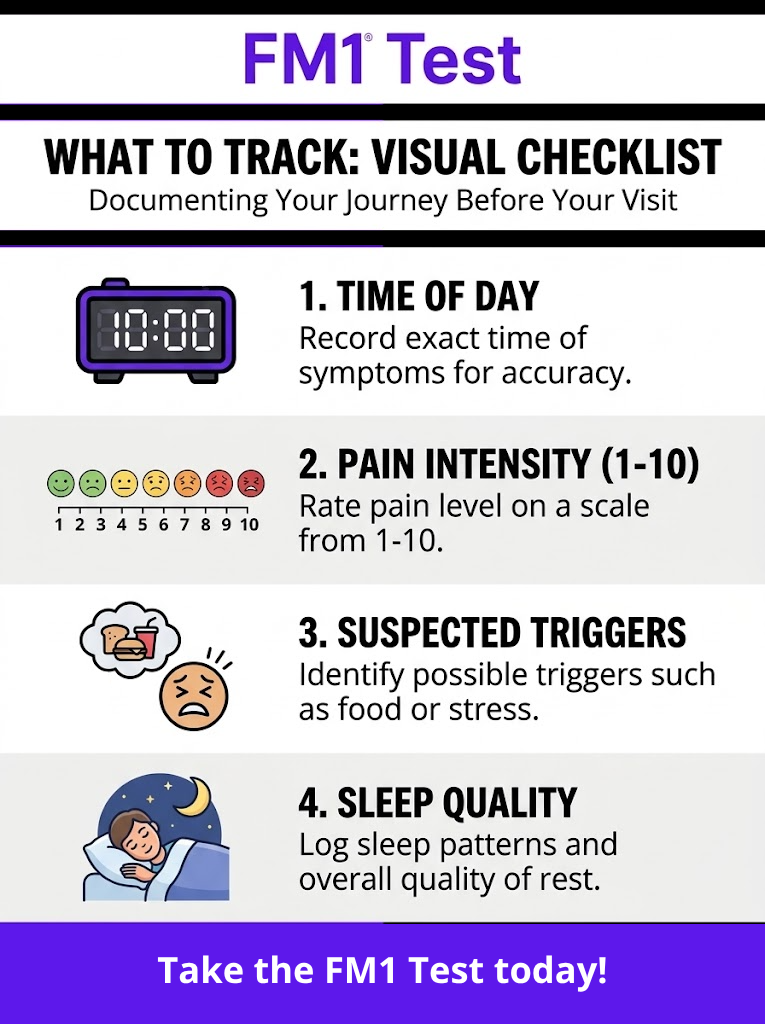
When facing chronic pain, the sheer volume and variability of symptoms can be overwhelming, making it difficult to recall crucial details during a brief appointment. To overcome this, begin by maintaining a detailed journal or log. Record specific information such as the location, intensity (on a scale of 1-10), and character of your pain (e.g., burning, throbbing, aching, shooting). Note the duration of each episode, any identifiable triggers, and factors that provide temporary relief. Crucially, also document accompanying symptoms like chronic fatigue, brain fog, sleep disturbances, mood changes (depression or anxiety), and gastrointestinal distress. This objective, chronological record provides your doctor with a scientific understanding of your condition's patterns and progression, helping them distinguish between various possibilities and avoid a "diagnosis of exclusion."
Articulating Your Experience: Moving Beyond Vague Descriptions
For many chronic pain conditions, including Fibromyalgia, the symptoms can feel diffuse and hard to pin down. When speaking with your doctor, strive for precision rather than generalization. Instead of saying "I hurt everywhere," specify areas of tenderness, sensitivity to touch, or specific joints that ache. Describe the functional impact of your pain: how it interferes with daily activities, work, sleep, and social engagement. Be honest about your energy levels, cognitive difficulties, and any emotional toll. Remember, your doctor relies on your narrative to piece together the clinical picture, and a clear, detailed account is invaluable in navigating complex presentations that might otherwise be misattributed or dismissed as "all in your head."

Preparing Your Questions and Advocating for Answers
A doctor's appointment is a collaborative process, and you are an essential member of your care team. Before your visit, write down all your questions and concerns. These might include inquiries about potential causes, diagnostic tests, treatment options, or referrals to specialists. Don't hesitate to ask about the underlying mechanisms of your pain and if there are specific, objective tests that can provide definitive answers, rather than relying solely on subjective interpretation. If previous attempts at diagnosis have been inconclusive, respectfully express your desire for a more in-depth investigation. Advocating for yourself means seeking clarity and ensuring that your doctor understands your need for an accurate diagnosis based on scientific evidence.
Effectively communicating your experience with chronic pain is paramount to receiving the appropriate care and finding real answers. By meticulously documenting your symptoms, articulating your experience with precision, and actively engaging in the diagnostic process, you empower yourself and your healthcare provider. Understanding that conditions like Fibromyalgia have a definitive DNA genomic signature offers a beacon of hope for many who have long sought validation. To learn more about how accurate, DNA science-based testing can provide clarity for chronic pain, fatigue, and other related symptoms, consider exploring resources that focus on objective diagnostic advancements.